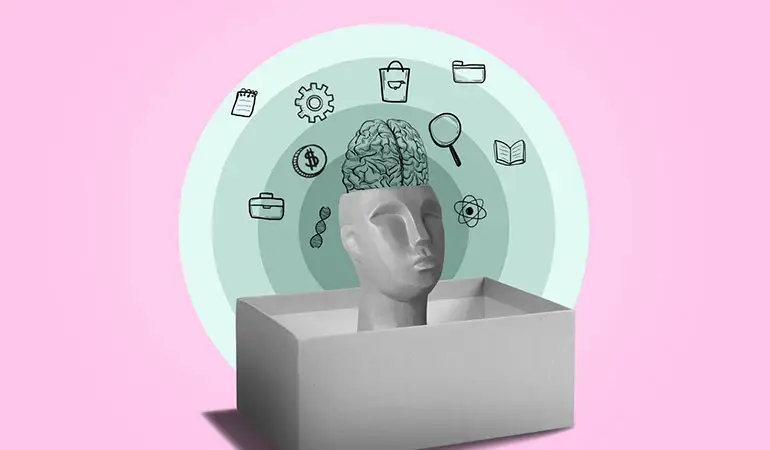
The human brain is the most complex and important organ of the human body, responsible for thinking, perception, memory, emotion, and controlling our movements. Here are the most frequently asked questions about the human brain:
How does the brain work? The brain works by using electrical signals generated by nerve cells (neurons). These signals form our memories by strengthening and weakening the connections between brain cells. The brain also controls our emotional responses using chemical signals between neurons in the cerebral cortex.
How does the brain learn? The brain learns by strengthening connections between nerve cells and creating new ones. This process is called neuroplasticity. Learning new skills, engaging in mental activities, and getting regular sleep can increase the brain's capacity for learning and overall health.
What is the structure of the brain? The brain is made up of five main parts: the cerebellum, brainstem, limbic system, and cerebral cortex. The cerebral cortex controls higher-level functions such as thinking, perception, movement, and emotional responses.
How much does the brain weigh? The weight of the brain can vary depending on factors such as gender, age, and body mass. On average, an adult brain weighs about 1.4 kg.
How does aging affect the brain? As the brain ages, connections between nerve cells can weaken and small blood vessels in the brain can become blocked. This can lead to declines in memory, attention, and thinking ability. However, regular exercise, a healthy diet, and engaging in mental activities can help minimize the effects of aging on the brain.
Why does the brain forget some things? Because of the complexity of the memory process, the brain may forget some things while retaining others. The brain stores information in short-term memory before transferring it to long-term memory. During this process, some information may be lost or erased.
Can brain cells be regenerated? No, brain cells cannot be regenerated. When brain cells die, they do not come back. However, other cells in the brain can make changes to compensate for the loss of function.
Why does the brain need sleep? There are many reasons why the brain needs sleep. Sleep helps repair and regenerate brain cells. It also strengthens connections between nerve cells and helps with memory formation.
Why does the brain consider some people more intelligent? Intelligence, one of the brain's functions, is a combination of various abilities. The prefrontal cortex, a brain region, controls functions such as planning, problem-solving, attention, and concentration. Some people may have more active prefrontal cortices, which can make them appear more intelligent.
Why do some people find it easier to fall asleep? Sleep is another brain function, and some people may have more regular sleep patterns than others. The brain's suprachiasmatic nucleus controls the sleep-wake cycle and releases the hormone melatonin during this process. Some people may have more sensitive suprachiasmatic nuclei, leading to more regular sleep patterns.